


Špičková epoxidová pryskyřice pro výrobu, horký prodej CAS 80-05-7 99,5% bisfenol a
Věříme v: Inovace je naší duší a duchem. Kvalita je naším životem. Potřeba zákazníka je naším Bohem pro výrobu vysoce kvalitních epoxidových pryskyřic. Výprodej CAS 80-05-7 99,5% bisfenol a. Principem naší organizace je dodávat vysoce kvalitní produkty, odborný servis a poctivá komunikace. Vítáme všechny blízké přátele, aby si udělali zkušební nákup a navázali dlouhodobý obchodní vztah.
Věříme v: Inovace je naší duší a duchem. Kvalita je naším životem. Potřeba zákazníka je naším Bohem. Naše řada produktů, které patří mezi špičková řešení naší továrny, byla testována a získala certifikace od zkušených autorit. Další parametry a podrobnosti o seznamu položek získáte kliknutím na tlačítko.
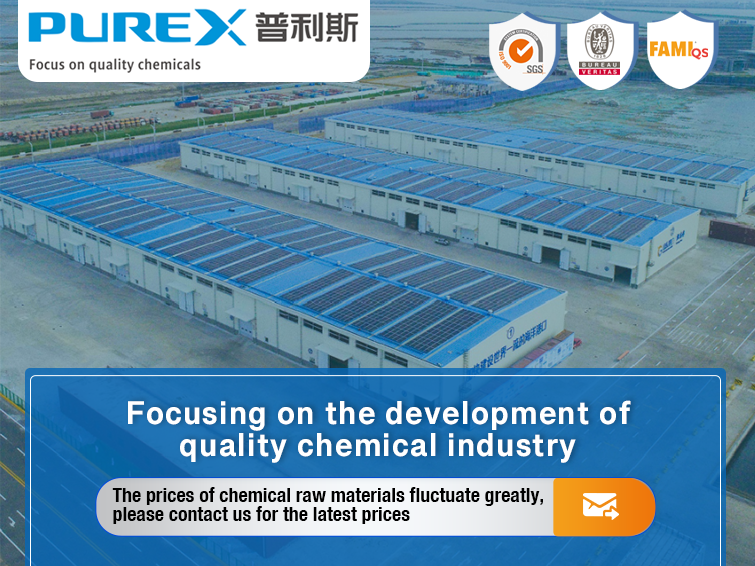
Skladovací podmínky bisfenolu A by se měly zaměřovat na hlavní cíle „prevence znehodnocení, zajištění bezpečnosti a zamezení dopadu na životní prostředí“.
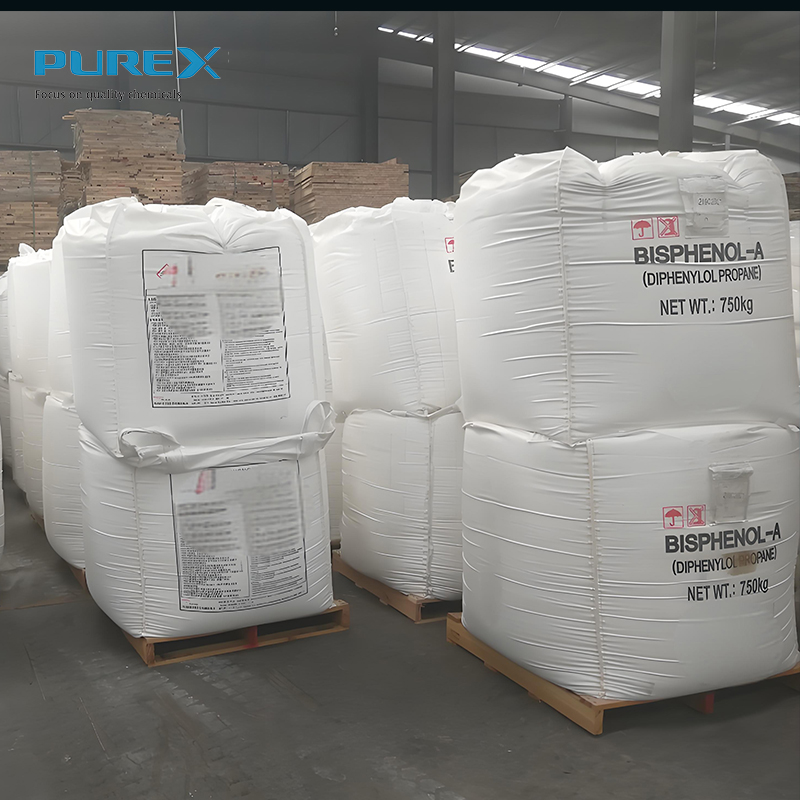
Použití bisfenolu A (BPA)
Bisfenol A (BPA) je základní surovinou pro syntézu polykarbonátů, epoxidových pryskyřic a polyesterů odolných vůči vysokým teplotám. Používá se také jako stabilizátor PVC, plastový antioxidant, UV absorbér, fungicid atd.
BPA je všestranná sloučenina, která se hojně používá při výrobě epoxidových pryskyřic, polykarbonátů, polyesterových pryskyřic, polyfenylenetherových pryskyřic a polysulfonových pryskyřic. Kromě toho slouží jako stabilizátor polyvinylchloridu (PVC), antioxidant v plastech, UV absorbér, zemědělský fungicid a omlazující činidlo v pryžových pryžových materiálech.
Používá se také jako antioxidant a změkčovadlo v barvách a inkoustech. V organické syntéze působí BPA jako klíčová složka pro výrobu epoxidových a polykarbonátových pryskyřic a je široce používán jako důležitá surovina pro vysokomolekulární syntetické sloučeniny, stejně jako v omlazujících činidlech, změkčovadlech a zemědělských fungicidech.
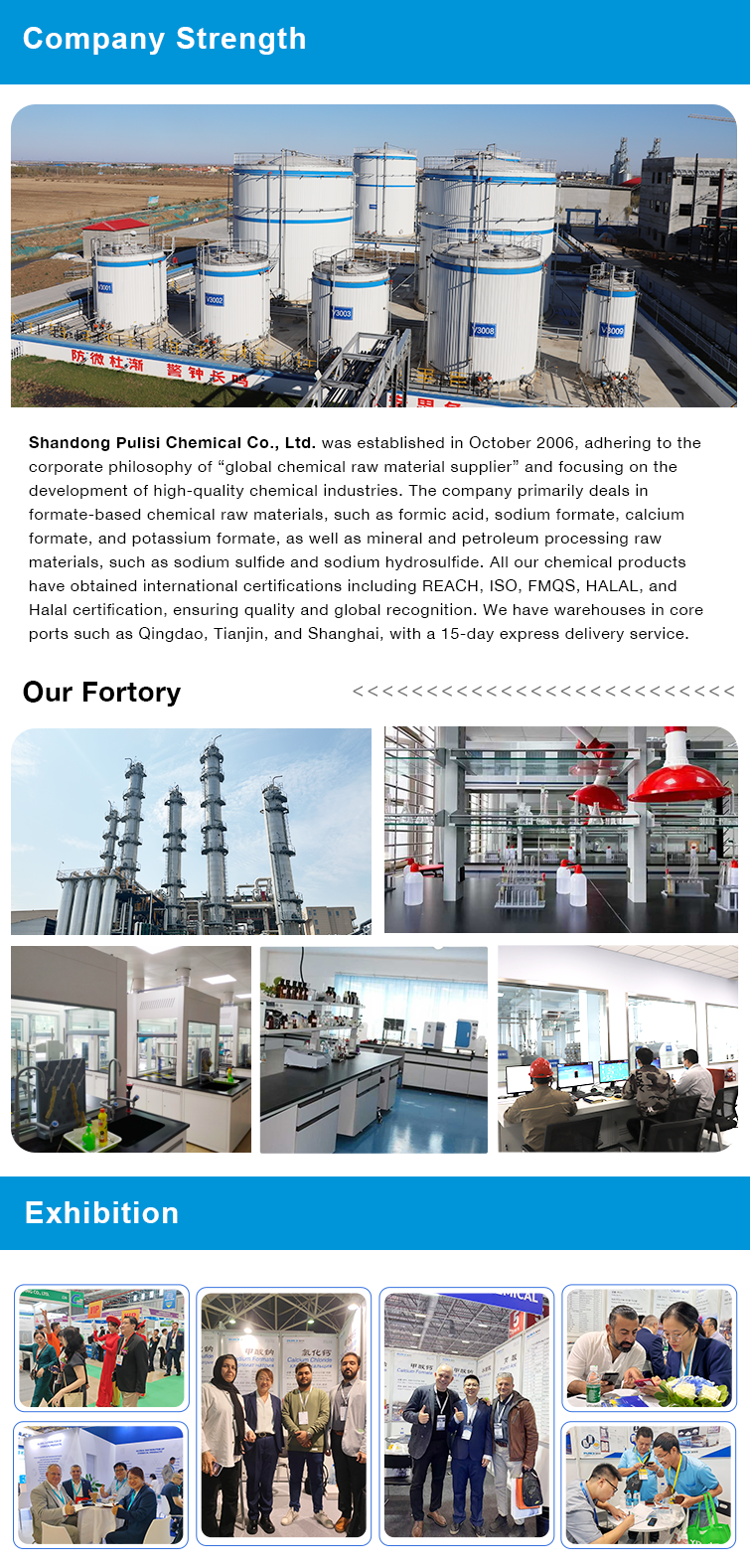
1. Spolehlivost dodávek a provozní dokonalost
Klíčové vlastnosti:
Strategická skladová centra v přístavních skladech v Čching-tao, Tchien-ťinu a Longkou s více než 1 000 kusy
metrických tun dostupných zásob
68 % objednávek doručeno do 15 dnů; urgentní objednávky jsou upřednostňovány expresní logistikou
kanál (30% zrychlení)
2. Kvalita a soulad s předpisy
Certifikace:
Trojitě certifikováno dle norem REACH, ISO 9001 a FMQS
V souladu s globálními hygienickými předpisy; 100% úspěšnost celního odbavení
Ruský dovoz
3. Rámec transakční bezpečnosti
Platební řešení:
Flexibilní podmínky: LC (předpokládaná/termín), TT (20% záloha + 80% při odeslání)
Specializované programy: 90denní akreditiv pro jihoamerické trhy; Blízký východ: 30 %
záloha + platba BL
Řešení sporů: 72hodinový protokol pro reakci na konflikty související s objednávkami
4. Agilní infrastruktura dodavatelského řetězce
Multimodální logistická síť:
Letecká přeprava: 3denní dodání pro zásilky kyseliny propionové do Thajska
Železniční doprava: Vyhrazená trasa pro mravenčan vápenatý do Ruska přes euroasijské koridory
Řešení ISO TANK: Přímé přepravy kapalných chemikálií (např. kyseliny propionové do
Indie)
Optimalizace balení:
Technologie Flexitank: 12% snížení nákladů na ethylenglykol (oproti tradičnímu sudu)
obal)
Mravenčan vápenatý/hydrosulfid sodný stavební kvality: Tkané PP pytle odolné proti vlhkosti o hmotnosti 25 kg
5. Protokoly pro zmírnění rizik
Viditelnost od začátku do konce:
GPS sledování kontejnerových zásilek v reálném čase
Inspekční služby třetích stran v cílových přístavech (např. zásilky kyseliny octové do Jižní Afriky)
Poprodejní záruka:
30denní záruka kvality s možností výměny/vrácení peněz
Bezplatné záznamníky teploty pro přepravu chladírenských kontejnerů
Metoda s bisfenolem A a BPA s chlorovodíkem (HCl)
Ve srovnání s metodou s kyselinou sírovou:
Výhoda metody s bisfenolem A a BPA s chlorovodíkem (HCl): Katalyzátor chlorovodíku je těkavý a lze jej z reakčního systému odstranit vakuovou destilací, což vede k lepší kvalitě BPA.
Metoda s bisfenolem A a BPA s chlorovodíkem (HCl) Nevýhoda: Chlorovodík je vysoce korozivní a vyžaduje specializované materiály pro zařízení a potrubí, což zvyšuje investiční náklady. V současné době se metoda s HCl také postupně vyřazuje.
Kategorie produktů
-
Vysoce výkonná úprava vody v Číně s sodíkovým...
-
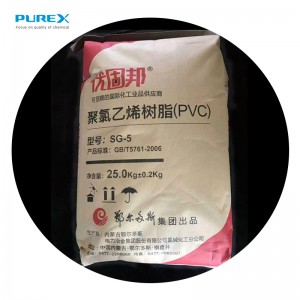
Čínská továrna pro čínskou PVC pryskyřici Cena K65/ PV...
-
Speciální design pro čínské chemické suroviny...
-
Výrobní prodejny Mravenčan vápenatý 98% krmné kvality ...
-

Velká sleva tovární dodávky Dobrá cena Vysoká kvalita...
-
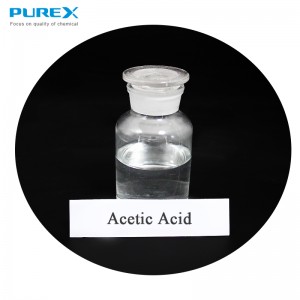
Profesionální design, schválená kvalita, ledovcové ak...